
Blog

Blog

The Value of Eco Products in Hospitality and Guest Experience

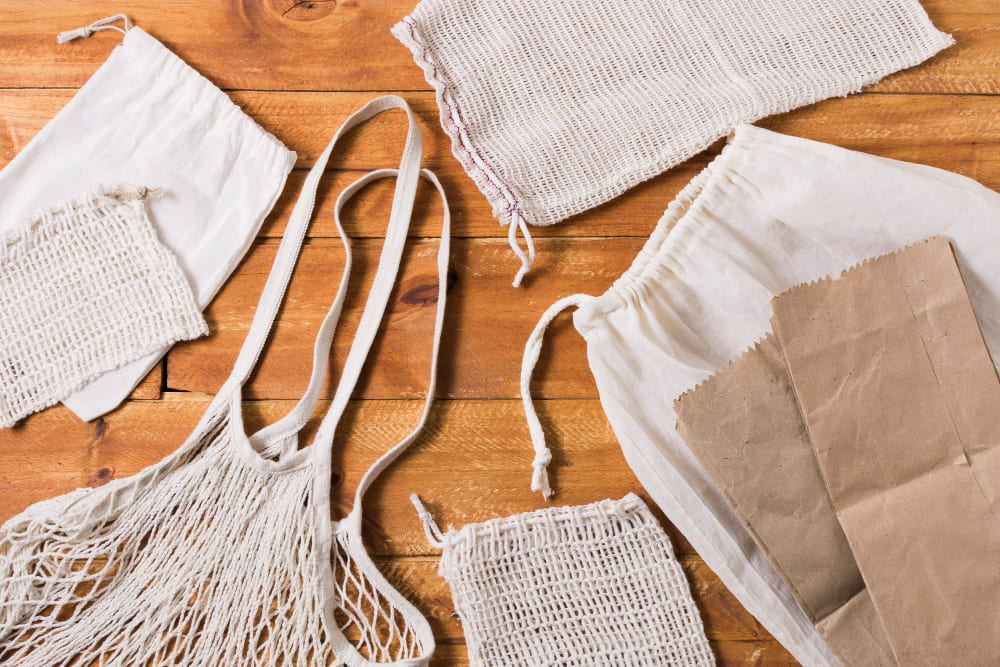
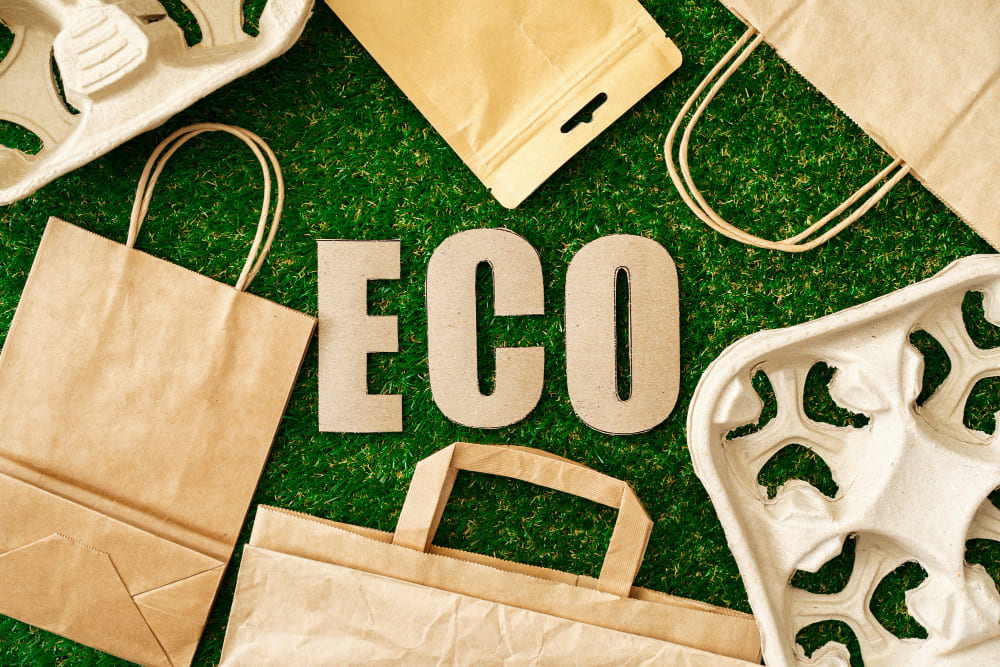
Hospitality is built on experience, and the products used across that experience often shape how guests remember a brand. From welcome materials and room-use items to gifting, event packaging, and daily service touchpoints, every detail contributes to the overall impression. This is why eco products are gaining value in hospitality settings where businesses want to combine quality with more responsible choices. Eco-friendly products made from natural materials can add warmth, simplicity, and authenticity to the guest experience. They often feel thoughtful rather than excessive and help create an atmosphere that is both comfortable and environmentally aware. This matters especially for hotels, resorts, retreats, and lifestyle brands that want their service values to be reflected in what guests see and use. There is also a branding advantage. Guests increasingly notice whether a business uses wasteful or responsible materials. Reusable and natural products can help reinforce the idea that the brand cares about quality, detail, and long-term impact. Even small choices, when consistently made, can support a stronger and more credible hospitality identity. As the hospitality industry continues to evolve, eco products are becoming more than a design preference. They are part of how businesses respond to changing guest expectations and wider environmental awareness. Their value lies in helping hospitality brands deliver an experience that feels refined, useful, and responsible at the same time. In that way, eco products support not only service delivery but also the long-term character of the guest experience.
Blog

What Makes Eco Products Attractive to International Markets

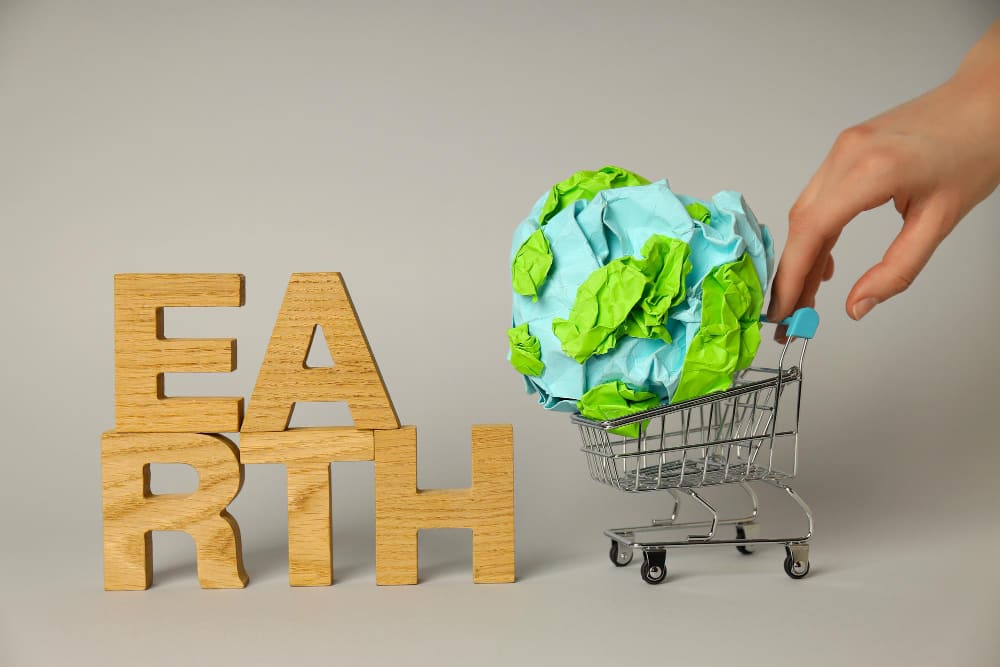
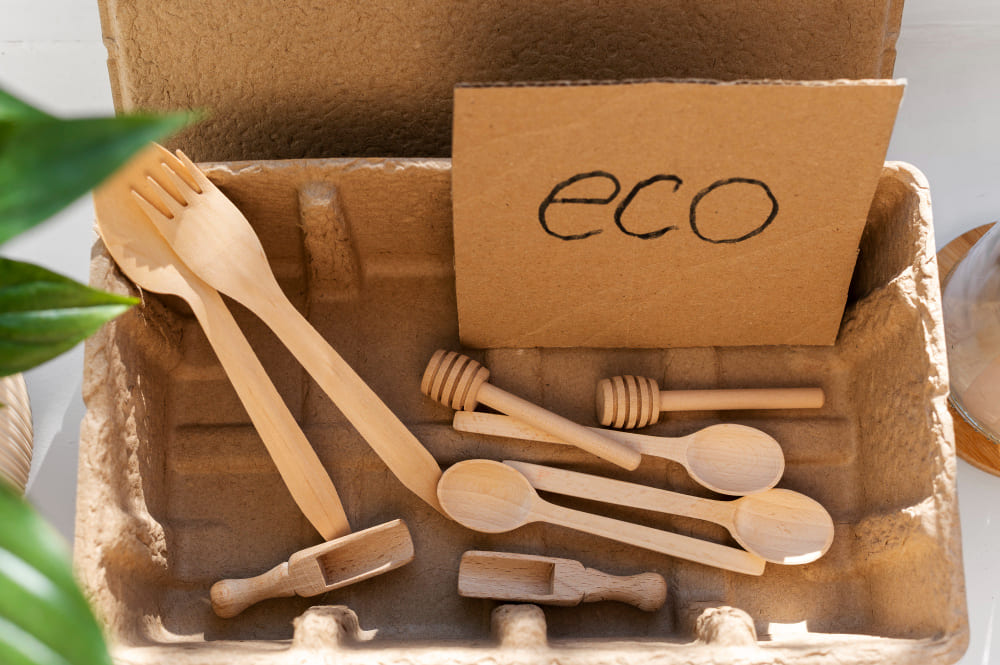
International markets are showing growing interest in eco products because environmental awareness is influencing buying behaviour across sectors. Retailers, distributors, hospitality businesses, and end consumers are paying greater attention to product materials, packaging choices, and the broader story behind what they buy. This changing outlook has created stronger demand for products that combine everyday usefulness with a more responsible environmental position. Eco products appeal to international buyers because they help businesses respond to this shift in a visible way. Products made from jute, bamboo, cotton, and other natural materials often feel closer to values such as reuse, durability, and lower waste. For many buyers, this matters not only for environmental reasons but also for brand relevance. Offering eco-friendly products can improve customer perception and help businesses stay aligned with current market expectations. There is also growing interest in products that carry a meaningful origin story. Eco products often connect material, craftsmanship, and purpose in a way that feels more authentic than generic alternatives. This makes them attractive for gifting, retail presentation, hospitality use, packaging, and everyday consumer categories. Buyers appreciate products that are both useful and aligned with broader sustainability conversations. As environmental concerns continue to influence trade and consumption, eco products are likely to remain important in international markets. They offer suppliers and exporters an opportunity to meet changing demand while building stronger relationships with value-conscious buyers. Their appeal lies not only in what they are made from, but also in what they represent: a more thoughtful way of doing business in a world that increasingly expects responsibility along with quality.

Blog

How Reusable Products Support Everyday Sustainable Living

Sustainable living is often built through everyday habits rather than one large change. The products people use regularly can influence how much waste they create, how often they repurchase items, and how closely daily routines align with environmental values. This is why reusable products play such an important role in supporting a more responsible lifestyle. Reusable bags, packaging solutions, household products, and lifestyle items made from natural materials help reduce dependence on short-life disposable products. Instead of being used once and discarded, these items become part of repeated, practical use. That shift may seem small at the individual level, but over time it can meaningfully reduce waste and encourage more mindful consumption patterns. There is also a behavioural benefit. Reusable products remind people that sustainability does not always require complexity. A product that is simple, durable, and attractive enough to use again naturally supports better habits. Materials such as jute, bamboo, and cotton are often preferred because they combine functionality with a visible connection to natural resources. This makes sustainability feel practical rather than abstract. As awareness grows, reusable products are becoming more valued by consumers, retailers, and businesses alike. They support routines that are less wasteful and more intentional. For companies offering eco-friendly goods, this creates an opportunity to contribute to daily sustainable living in a useful way. The real strength of reusable products lies in their ability to turn environmental concern into everyday practice, one repeated use at a time.

Blog

Why Eco Products Are Becoming Important in Corporate Gifting

Corporate gifting has evolved beyond a simple gesture. Today, gifts are often seen as an extension of brand values, relationship building, and thoughtful communication. Businesses want gifts that are useful, well-presented, and aligned with the image they want to create. This is one reason eco products are becoming more important in the world of corporate gifting. Eco-friendly gifts such as jute bags, bamboo-based items, reusable packaging, and natural material products offer a strong combination of utility and meaning. They are practical enough to be used beyond the moment of gifting, which increases their value to the recipient. At the same time, they reflect care in selection and suggest that the business is thinking beyond temporary convenience. For companies that speak about sustainability, social responsibility, or future readiness, eco products also create better alignment between message and action. A well-chosen sustainable gift can reinforce a company’s identity more effectively than a generic item with little long-term use. It helps the recipient remember the brand in a positive and relevant way. As gifting becomes more intentional, businesses are paying greater attention to what their gifts represent. Eco products meet this need well because they support both presentation and purpose. They can be adapted for festive gifting, events, employee engagement, client outreach, and brand campaigns. This is why they are becoming a preferred option for organisations that want gifting to feel useful, responsible, and connected to a more thoughtful business image.

Blog

How Natural Materials Support Better Long-Term Product Choices

Product choices are increasingly being evaluated not only for cost and appearance, but also for long-term usefulness and environmental impact. This shift is encouraging businesses and buyers to explore materials that support more responsible decision-making over time. Natural materials such as jute, bamboo, cotton, cane, and other plant-based fibres are becoming more relevant because they often combine practicality with a lower ecological burden than many synthetic alternatives. Product choices are increasingly being evaluated not only for cost and appearance, but also for long-term usefulness and environmental impact. This shift is encouraging businesses and buyers to explore materials that support more responsible decision-making over time. Natural materials such as jute, bamboo, cotton, cane, and other plant-based fibres are becoming more relevant because they often combine practicality with a lower ecological burden than many synthetic alternatives. Natural materials can also help businesses create products that feel more balanced in purpose. They offer a visible reminder that product design does not always need to depend on excessive packaging, artificial finishes, or non-renewable resources. For customers and buyers, this can improve perception because the product feels more connected to function, origin, and responsible use. Over the long term, better product choices are often the ones that combine utility, durability, and environmental awareness. Natural materials help support that balance. They are not only part of an eco-friendly conversation but also part of a practical one. For businesses looking to build lasting value, products based on natural materials can contribute to stronger brand trust, more relevant offerings, and decisions that remain meaningful in a market that increasingly values responsibility alongside performance.

Blog

Why Global Buyers Are Exploring Bamboo-Based Alternatives

Bamboo is drawing greater interest from global buyers as businesses search for materials that are both practical and more environmentally responsible. Its fast growth, wide availability, and natural appeal have made it relevant across categories such as packaging, lifestyle products, household items, gifting, and hospitality use. As buyers move away from products that rely heavily on synthetic materials, bamboo is becoming an attractive alternative. One reason bamboo stands out is its balance of strength and lightness. It can support a variety of uses while offering a clean, natural look that fits well with modern consumer preferences. Buyers in retail and hospitality often appreciate materials that feel simple, refined, and closely linked to sustainability. Bamboo meets these expectations while also allowing flexibility in design and application. Another important factor is the growing focus on reducing waste and supporting renewable resources. Bamboo is often seen as part of this larger shift because it offers a plant-based option for items that might otherwise depend on plastic or less sustainable inputs. For buyers, this helps create a product offering that better matches customer expectations and broader sourcing goals. As international demand for eco-conscious products continues to grow, bamboo-based alternatives are likely to expand in importance. They offer buyers a useful combination of sustainability, function, and visual appeal. For businesses that want products aligned with modern environmental values, bamboo provides a material choice that feels both practical and forward-looking. This growing interest reflects a wider move toward materials that support responsible trade without losing commercial value.

Blog

How Eco Products Strengthen a Brand’s Responsible Image

A brand is shaped not only by what it says, but also by the choices it makes. Products, packaging, gifting materials, and promotional items all contribute to how customers, buyers, and partners perceive a business. This is why eco products are becoming increasingly important for brands that want to present themselves as responsible, relevant, and future-focused. Eco products signal care in a visible and practical way. When a business chooses reusable bags, natural fibre packaging, bamboo-based items, or other sustainable alternatives, it shows that environmental awareness is part of its decision-making. These are often small details, but they can leave a strong impression. In a market where customers increasingly value responsible business practices, such choices help build trust and make a brand feel more authentic. There is also an advantage in consistency. A brand that talks about sustainability but continues to use wasteful or disposable materials may appear disconnected from its message. On the other hand, a brand that integrates eco products into everyday touchpoints creates a stronger and more credible identity. Whether used in retail, hospitality, events, exports, or corporate gifting, eco products can support this alignment between message and action. As markets evolve, responsible branding is no longer optional in many sectors. Businesses are expected to think beyond immediate convenience and consider long-term impact. Eco products help brands do this in a way that is practical, customer-facing, and meaningful. They do not just support sustainability goals. They also communicate values. That is why many businesses now see eco products as more than utility items. They are part of how a brand expresses responsibility in the modern marketplace.

Blog

The Growing Role of Jute in Sustainable Retail Packaging

Retail packaging is changing as businesses respond to environmental concerns and changing customer expectations. Many brands no longer want packaging to serve only a carrying function. They want it to reflect values such as responsibility, durability, and thoughtful design. This is where jute has gained strong relevance. As a natural fibre known for strength, reusability, and biodegradability, jute fits well into the shift toward more sustainable retail packaging. Jute packaging is valued because it combines utility with a natural appearance that many businesses find appealing. It can support retail needs across shopping bags, promotional packs, gift packaging, and branded carry solutions. Unlike disposable packaging, jute bags often remain in use after the original purchase, giving them a longer life and extending brand visibility in everyday settings. This makes them especially attractive to retailers who want packaging that continues to add value beyond the point of sale. Another reason for jute’s growing role is its compatibility with both premium and practical positioning. It can be used by fashion brands, gift stores, organic product sellers, lifestyle businesses, and export-focused retailers. Its texture, visual warmth, and adaptability make it suitable for businesses that want packaging with character rather than a generic look. At the same time, its strength supports repeated use, which adds to its commercial usefulness. As sustainable retail practices continue to grow, jute is likely to remain an important material in packaging conversations. It represents a simple but effective way for brands to move away from purely disposable solutions. For retailers, choosing jute packaging is not only about material choice. It is also about creating a more responsible customer experience, supporting repeat utility, and aligning product presentation with a more conscious future.

Blog

Why Eco-Friendly Packaging Is Important in Global Trade and Exports

Packaging plays an important role in global trade, not only in protecting products during storage and shipment but also in shaping how buyers perceive a business. As international markets become more conscious of sustainability, packaging choices are receiving greater attention. Businesses are increasingly expected to reduce waste, use responsible materials, and align product presentation with environmental values. This is one reason eco-friendly packaging has become more important across export categories. Eco-friendly packaging is often made from natural, recyclable, reusable, or biodegradable materials. It helps reduce dependence on single-use plastics and can support a more responsible supply chain. For exporters, this matters because packaging is one of the most visible parts of a shipment. It is seen by importers, retailers, end consumers, and logistics partners. A business that uses better packaging materials sends a strong message about quality, care, and future-focused thinking. There is also a practical advantage. Strong and reusable packaging can support product safety while reducing avoidable waste. In some cases, eco-friendly packaging improves customer experience because it is easier to handle, store, repurpose, or dispose of responsibly. Businesses that adopt such solutions can strengthen their brand identity while responding to changing market expectations. In global trade, details matter. Packaging is no longer a basic finishing step. It is part of the product story. Buyers today often prefer suppliers who understand both commercial performance and environmental responsibility. For that reason, eco-friendly packaging is becoming a meaningful business choice rather than only a trend. It helps exporters stay relevant, supports stronger buyer confidence, and reflects the growing belief that business growth and environmental care should move together.

Blog

Indian Festivals and Sustainability: How Tradition Helps Preserve the Environment

Many Indian festivals are deeply connected to nature, seasons, agriculture, rivers, animals, and the changing rhythm of the year. This connection reflects an older way of living in which human life was seen as part of the natural world rather than separate from it. Across regions, festivals were traditionally designed around gratitude, restraint, sharing, and respect for natural resources. Even today, this underlying spirit continues to influence how festivals are understood and celebrated in many homes and communities. Harvest festivals such as Pongal, Baisakhi, Onam, Nabanna, and Bihu celebrate the land, crops, rain, and the effort of farming communities. Rituals often involve fresh produce, seasonal food, natural decorations, and community meals. Festivals like Chhath Puja show reverence for the sun and water, while many regional traditions honour trees, cattle, birds, and local ecosystems. These practices remind people that prosperity depends on a healthy environment and that nature deserves gratitude rather than exploitation. Traditionally, festival materials were simple and biodegradable. Clay lamps, leaf plates, flowers, cotton wicks, natural colours, earthen idols, and reusable metal utensils were common in many celebrations. These choices naturally limited waste and kept festivities closer to local resources. The idea was not called sustainability in modern language, but the practice clearly supported it by reducing excess and preserving balance. In recent times, urban lifestyles and commercial practices have changed some festival habits. Yet the original values still offer useful lessons. Choosing natural decorations, low-waste gifting, reusable materials, and eco-friendly products during festivals can bring celebrations closer to their roots. This is one reason Indian festivals continue to inspire conversations around sustainability. They show that caring for the environment is not a new idea. It has always been woven into traditions that believe celebration should exist in harmony with the earth. These values remain relevant for businesses, communities, and families looking for more responsible ways to mark important occasions.

About Us

India is home to a rich ecosystem of natural materials, skilled manufacturing, and sustainable innovation.

Contact Info