
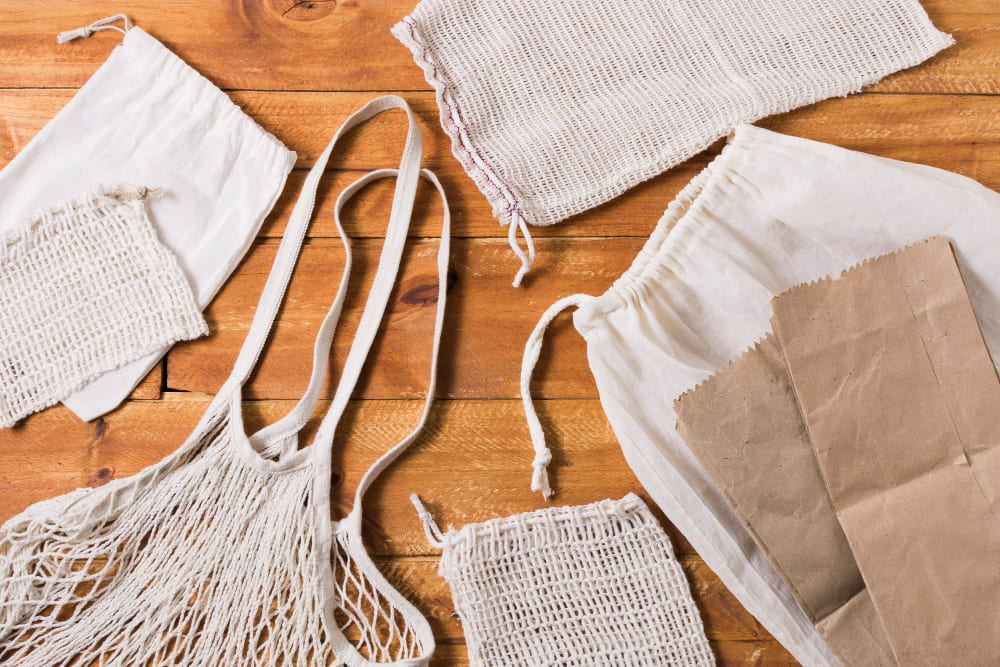
Product choices are increasingly being evaluated not only for cost and appearance, but also for long-term usefulness and environmental impact. This shift is encouraging businesses and buyers to explore materials that support more responsible decision-making over time. Natural materials such as jute, bamboo, cotton, cane, and other plant-based fibres are becoming more relevant because they often combine practicality with a lower ecological burden than many synthetic alternatives.
Product choices are increasingly being evaluated not only for cost and appearance, but also for long-term usefulness and environmental impact. This shift is encouraging businesses and buyers to explore materials that support more responsible decision-making over time. Natural materials such as jute, bamboo, cotton, cane, and other plant-based fibres are becoming more relevant because they often combine practicality with a lower ecological burden than many synthetic alternatives.
Natural materials can also help businesses create products that feel more balanced in purpose. They offer a visible reminder that product design does not always need to depend on excessive packaging, artificial finishes, or non-renewable resources. For customers and buyers, this can improve perception because the product feels more connected to function, origin, and responsible use.
Over the long term, better product choices are often the ones that combine utility, durability, and environmental awareness. Natural materials help support that balance. They are not only part of an eco-friendly conversation but also part of a practical one. For businesses looking to build lasting value, products based on natural materials can contribute to stronger brand trust, more relevant offerings, and decisions that remain meaningful in a market that increasingly values responsibility alongside performance.