Author name: admin

Blog

How Eco Products Fit Naturally into Value-Driven Brands

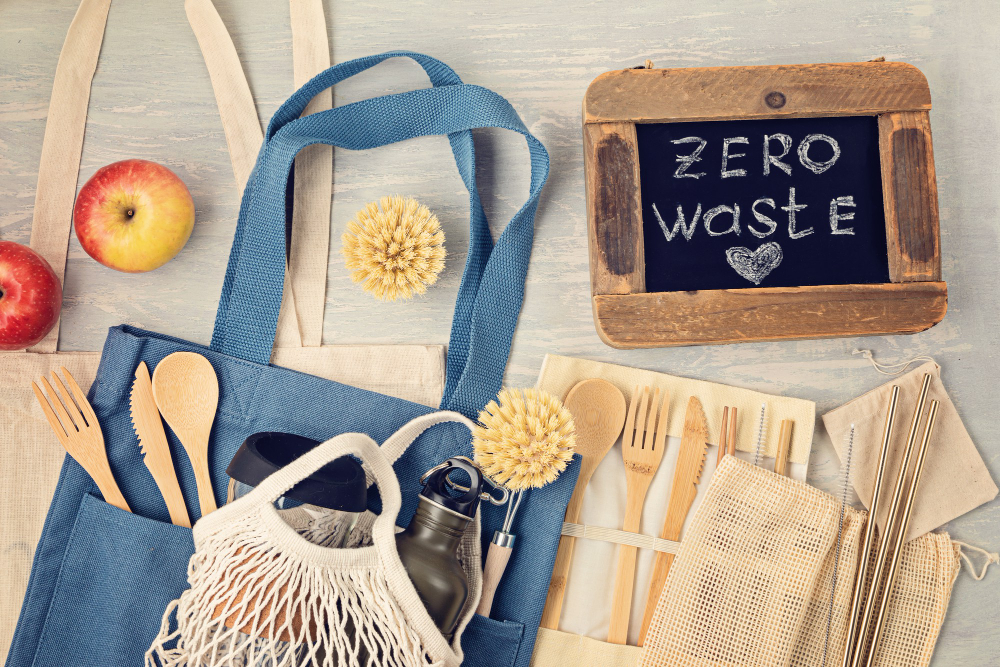
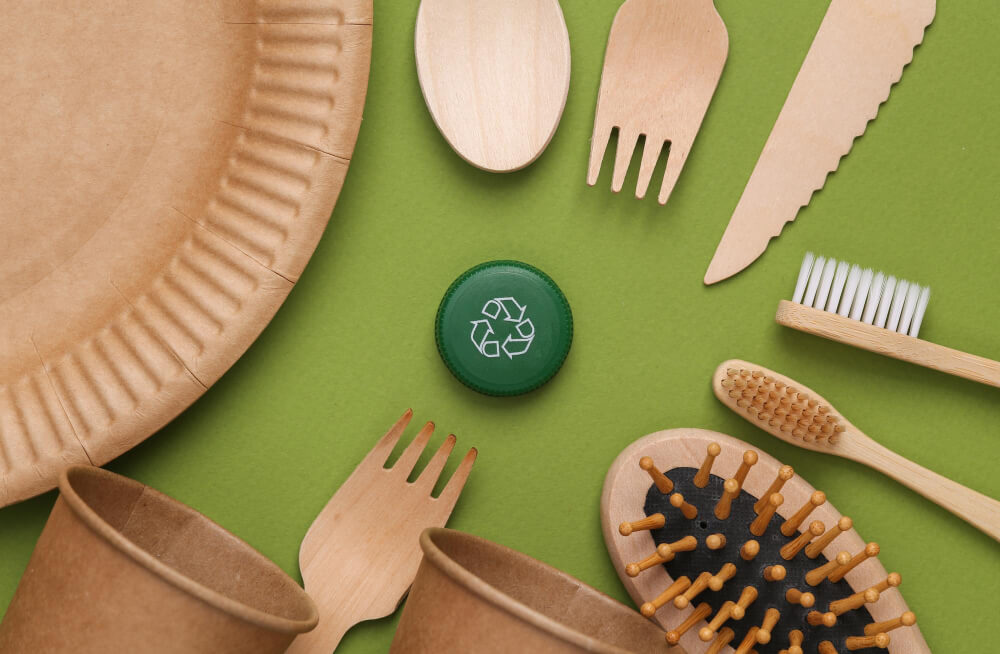
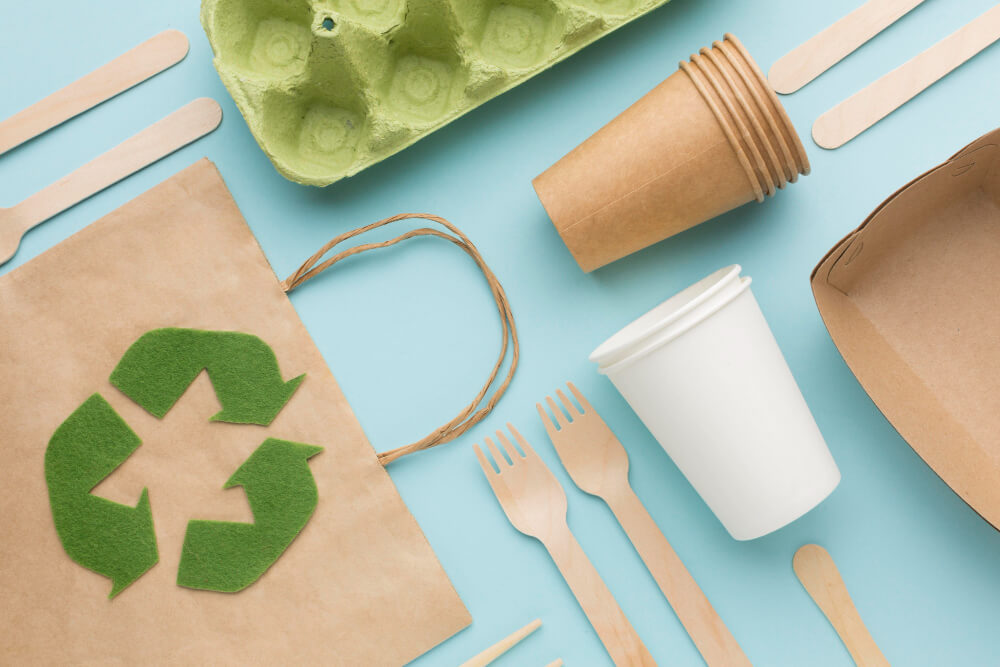
Value-driven brands are built around more than sales. They are shaped by principles that influence how products are chosen, how customers are treated, and how the business presents itself over time. Eco products fit naturally into such brands because they support a visible connection between practical business activity and larger values such as responsibility, care, and long-term thinking. Products made from natural or reusable materials help value-driven brands communicate those priorities in everyday ways. Whether used for packaging, gifting, events, retail, or operations, such products show that the brand is willing to match its values with practical decisions. This matters because customers and buyers increasingly look for signs that a business is acting with consistency rather than relying only on messaging. Eco products also help such brands feel more relevant. They support contemporary expectations around sustainability while remaining useful and commercially practical. This combination is important because values alone are not enough. The products must still serve a real purpose and fit naturally into the customer experience. Eco products do that well when they are selected with care and used consistently. Eco products also help such brands feel more relevant. They support contemporary expectations around sustainability while remaining useful and commercially practical. This combination is important because values alone are not enough. The products must still serve a real purpose and fit naturally into the customer experience. Eco products do that well when they are selected with care and used consistently. As businesses work to build stronger identities and long-term trust, eco products offer a practical way to make values visible. They support the kind of brand presence that feels honest, thoughtful, and future-ready. That is why they fit so naturally into value-driven businesses. They help turn intention into something customers and partners can actually see, use, and remember.
Blog

Why Natural Materials Work Well for Modern Gift Packaging

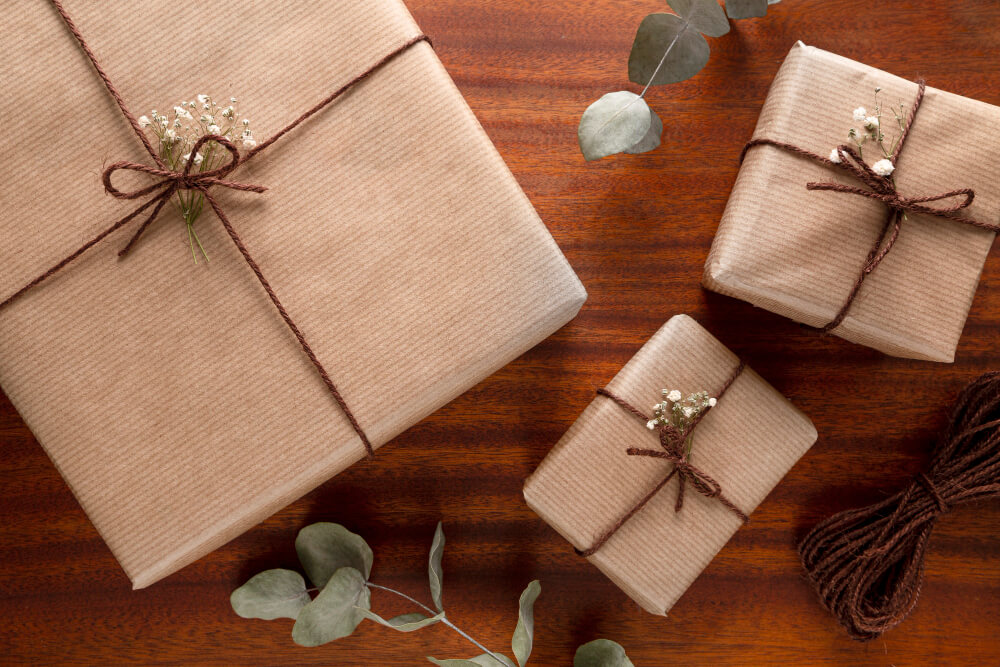
Gift packaging is an important part of how a product is received. It creates the first visual and practical experience around the gift, and it often shapes how thoughtful the gesture feels. Natural materials work especially well for modern gift packaging because they bring together presentation, texture, and environmental awareness in a way that feels both current and meaningful. Materials such as jute, cotton, bamboo, and paper-based alternatives often create a packaging experience that feels warmer and more intentional than highly disposable or heavily synthetic options. They support a cleaner and more grounded aesthetic, which many businesses and consumers now prefer. This makes them relevant for festive gifting, hospitality presentation, retail packaging, and corporate use. Natural materials also improve function when chosen well. They can be durable, reusable, and easier to repurpose after the gift has been opened. This extends the value of the packaging and reduces waste, which is increasingly important for brands that want their gift presentation to feel thoughtful rather than excessive. The packaging becomes part of the product experience instead of something meant only for disposal. As gifting becomes more value-driven, the materials used in packaging matter more. Businesses want packaging that looks good, feels useful, and supports a responsible image. Natural materials help achieve all three. They make gift packaging feel more refined, more practical, and more in tune with what modern recipients increasingly appreciate.

Blog

The Advantage of Offering Eco Products That Stay Useful

The true value of many products is measured not at the moment they are received, but in how long they remain useful afterward. Eco products often perform strongly in this area because they are designed around reuse, practical function, and durable materials. A product that stays useful creates less waste and delivers more value over time, which benefits both the user and the business behind it. This matters across retail, exports, hospitality, gifting, and everyday business use. A reusable bag, natural packaging item, or practical eco-friendly accessory can continue serving a purpose long after the first interaction. That continued value makes the product more meaningful. It also improves how the brand is remembered, because usefulness leaves a stronger impression than one-time decoration or short-term convenience. Offering products that stay useful also supports a more responsible business identity. It shows that the business values lasting function rather than quick disposal. Customers often respond well to this because it feels more considered and more aligned with how they want to buy and use products today. It reflects practical thinking as well as environmental awareness. As expectations continue to shift, products that remain relevant beyond a single moment will only become more important. Eco products are well suited to this because they naturally support repeat use and lower waste. Their advantage lies not only in what they are made from, but also in how long they continue to matter in everyday life and business settings.

Blog

How Better Material Choices Improve Brand Credibility

Brand credibility is built when what a business says is supported by what it does. In today’s market, customers and buyers often pay attention to materials as a visible sign of whether a brand is making thoughtful choices. This is why better material selection can strengthen credibility. It turns values into something practical and easy to recognise. When a business chooses natural fibres, reusable products, or environmentally better packaging, the customer sees that sustainability is being considered in real decisions. These choices are especially powerful because they appear in direct contact points such as packaging, gifts, events, retail materials, and hospitality use. They help create a message that feels grounded rather than promotional. Credibility grows further when these material choices are consistent. A business that repeatedly uses better materials across its product experience builds trust more effectively than one that speaks about responsibility but uses wasteful or short-life alternatives. This consistency suggests that the brand’s values are part of its operating habits, not only its messaging. As scrutiny increases and customers become more selective, material choice becomes part of brand judgement. Businesses that pay attention to these details can create stronger confidence and clearer identity. Better materials improve more than product experience. They improve the credibility of the brand behind the product, which is why they matter so much in modern business presentation.

Blog

Why Eco-Friendly Choices Matter Even in Small Business Touchpoints

Not every business decision is large, but even small touchpoints can shape customer perception and environmental impact over time. Packaging, takeaway materials, sample bags, event accessories, gifting items, and point-of-sale products may seem minor on their own, yet they often represent repeated interactions. This is why eco-friendly choices matter even at a small scale. When businesses choose reusable or natural-material alternatives for these moments, they signal care without needing to say much. A simple eco-friendly bag, a practical piece of natural packaging, or a reusable promotional item can quietly communicate responsibility and intention. Customers often notice these details because they reflect how seriously a business thinks about the choices it makes. Small touchpoints also add up operationally. Repeated use of better materials can reduce reliance on disposable items and create more consistency across the customer experience. For businesses, this matters because sustainability is often built through many practical steps rather than one dramatic shift. These visible choices make the broader commitment feel real. Eco-friendly choices do not need to begin with major transformation. They can start with the everyday points where the customer meets the brand. When those touchpoints reflect responsibility, usefulness, and good material judgement, they strengthen trust in a quiet but lasting way. That is why even small eco choices can make a meaningful difference for both business image and environmental impact.

Blog

How Eco Products Encourage Repeat Use and Repeat Recall

A product creates more value when it remains in use rather than being discarded after a single interaction. Eco products often support this especially well because they are designed around reuse, practicality, and durable materials. When a product becomes part of everyday routines, it offers both environmental benefit and stronger long-term visibility for the business associated with it. A product creates more value when it remains in use rather than being discarded after a single interaction. Eco products often support this especially well because they are designed around reuse, practicality, and durable materials. When a product becomes part of everyday routines, it offers both environmental benefit and stronger long-term visibility for the business associated with it. There is also a trust advantage. A business that offers products meant to be reused appears more thoughtful than one that relies on disposable or forgettable items. The customer sees value not only in the product, but also in the intention behind it. This helps strengthen perception in retail, hospitality, exports, gifting, and event environments where quality and meaning influence brand impression. As businesses look for smarter ways to create lasting impact, eco products offer a simple answer. They stay useful for longer, reduce waste, and keep the brand visible through continued everyday use. In that way, they support both repeat use and repeat recall, which makes them valuable not only as sustainable products but also as strong business tools.

Blog

Why Responsible Materials Matter in Hospitality Supply Choices

Hospitality businesses make many supply choices that directly affect guest experience, daily operations, and brand reputation. Materials used in bags, room-use items, gifting, event packaging, and service accessories all contribute to how the business is perceived. Responsible material choices matter because they help hospitality brands align comfort and presentation with a more conscious environmental approach. Guests increasingly notice details. Products made from natural fibres or reusable materials often feel more thoughtful and less wasteful than disposable alternatives. They can create an atmosphere that feels calm, warm, and well considered. This is especially valuable for hotels, resorts, retreats, and event spaces that want their service experience to reflect quality as well as responsibility. Responsible materials also support internal consistency. A hospitality brand that speaks about care, comfort, and sustainability strengthens its message when those values are visible in the products guests encounter. From reusable bags to natural presentation materials, such choices show that environmental awareness is not limited to statements but is part of how the business operates. As hospitality expectations continue to evolve, material selection is becoming more important. Businesses want supply choices that support both practical performance and guest perception. Eco products made from responsible materials help meet both needs. They allow hospitality brands to create experiences that feel refined, useful, and aligned with a broader culture of thoughtful service.

Blog

How Eco Products Support Better First Impressions

First impressions are shaped quickly, and products often play a bigger role in that moment than businesses realise. Packaging, gifting, promotional items, event materials, and retail presentation all influence how a brand is perceived. Eco products can support stronger first impressions because they immediately suggest thoughtfulness, usefulness, and a more responsible approach to business. First impressions are shaped quickly, and products often play a bigger role in that moment than businesses realise. Packaging, gifting, promotional items, event materials, and retail presentation all influence how a brand is perceived. Eco products can support stronger first impressions because they immediately suggest thoughtfulness, usefulness, and a more responsible approach to business. This matters across many business settings. In exports, thoughtful presentation can influence buyer confidence. In hospitality, it can affect how guests remember the brand. In retail, it can shape how customers interpret product quality. Across all these situations, eco products help businesses make a first impression that feels current, careful, and aligned with modern expectations. A strong first impression does not always come from complexity or volume. Often it comes from choosing the right product with the right purpose. Eco products support that choice well because they connect visible quality with meaningful intent. That is why they are becoming an important part of how businesses introduce themselves and build trust from the very beginning.

Blog

Why Simplicity Makes Eco Products More Effective

Eco products are often most successful when they remain simple in purpose, design, and use. Simplicity helps people understand what the product is for, how it adds value, and why it feels more responsible than a disposable alternative. In a market full of overdesigned or short-life products, simple eco products often stand out because they feel practical, honest, and easy to adopt. A simple product is easier to reuse and easier to remember. When a jute bag, bamboo item, or natural packaging solution is designed with clear utility, it becomes part of everyday life without needing explanation. That ease matters because sustainable products succeed best when they fit naturally into routines. The less effort required to use them well, the more likely they are to support long-term change. Simplicity also improves business value. Products that are straightforward in design are often easier to present, package, and position across retail, gifting, hospitality, and export use. They tend to communicate quality through usefulness rather than excess. This makes them especially relevant for businesses that want eco products to feel credible rather than promotional. As sustainability becomes part of everyday decision-making, products that are clear, useful, and easy to live with will continue to matter most. Simplicity helps eco products do their job better. It supports repeated use, clearer value, and stronger acceptance in both consumer and business settings. That is why simple eco products often create the strongest and most lasting impact.

Blog

How Eco Products Connect Practical Use with Responsible Business Values

Eco products are most powerful when they combine everyday usefulness with a clear message of responsibility. Businesses today are expected to think not only about what they offer, but also about what those choices say about their values. Products made from natural, reusable, or environmentally better materials help bridge this gap by supporting practical needs while also reflecting a more thoughtful business approach. A business may use eco products for packaging, corporate gifting, hospitality, events, retail, or everyday operations. In each of these areas, the product serves a clear purpose. At the same time, it shows customers, buyers, and partners that the business is making choices with longer-term impact in mind. This matters because values are increasingly judged through visible actions, not only through statements or campaigns. There is also a strong advantage in consistency. When a business uses eco products across different touchpoints, it builds a more credible identity. A reusable bag, a natural packaging material, or a thoughtfully made promotional item can all reinforce the same message: that the brand values usefulness, quality, and environmental awareness together. This creates a stronger and more coherent impression than making isolated sustainability claims. As businesses respond to changing expectations, eco products offer a practical way to align daily decisions with larger values. They do not ask companies to choose between utility and responsibility. Instead, they help connect both. That is why eco products continue to grow in importance. They allow businesses to serve real needs while also demonstrating a more responsible way of operating in today’s market.

About Us

India is home to a rich ecosystem of natural materials, skilled manufacturing, and sustainable innovation.

Contact Info