Author name: admin

Blog

How to Choose the Right Eco Product for Packaging, Promotion, and Daily Use

Eco-friendly products can support a wide range of business needs, from packaging and promotional campaigns to gifting and everyday use. Choosing the right product is not only about selecting a natural material. It is also about matching the product to its purpose, the people who will use it, and the brand message it is expected to communicate. For packaging, businesses usually look for products that are durable, presentable, and reusable. Good packaging should protect the product, support presentation, and leave a positive impression on the buyer. For promotions and gifting, the focus often shifts to visibility, usability, and branding value. A product that people can use again and again often creates a stronger impact than something disposable. For daily use, comfort, convenience, and strength become especially important. Products should fit naturally into regular routines while still reflecting the values of sustainability and responsible choice. Materials such as jute and bamboo are often preferred because they combine natural appeal with practical performance. They work across multiple uses and can suit both individual consumers and commercial buyers. It is also important to think about the environment in which the product will be used. A retail bag, a trade show giveaway, a hotel-use item, and a corporate gift all serve different purposes and need different levels of finish, durability, and branding. Choosing well means balancing utility, visual presentation, target audience expectations, and long-term usefulness. The right eco product is one that supports both function and brand values. When selected thoughtfully, it can improve presentation, strengthen customer experience, and reinforce a business commitment to more responsible practices. In that sense, choosing an eco product is not just a product decision. It is also a reflection of how a business wants to be seen.

Blog

Eco Products from India: Sustainable Living, Heritage, and Global Appeal

India has a long tradition of living in balance with nature. Across generations, communities have used natural materials in everyday life for storage, carrying, packaging, household use, and craft. These choices were often shaped by practicality, availability, and an understanding that nature provides what is needed when used with care. This mindset continues to influence many eco-friendly products made in India today. India has a long tradition of living in balance with nature. Across generations, communities have used natural materials in everyday life for storage, carrying, packaging, household use, and craft. These choices were often shaped by practicality, availability, and an understanding that nature provides what is needed when used with care. This mindset continues to influence many eco-friendly products made in India today. For international buyers, eco products from India offer more than a sustainable option. They also carry a sense of craftsmanship, cultural continuity, and authenticity. Many such products are shaped by skills passed through generations and by a design approach that values function along with simplicity. This gives Indian eco products a distinct identity in global markets and helps them stand apart from generic, mass-produced alternatives. As sustainability becomes a stronger global priority, India’s eco-friendly offerings feel especially relevant. They connect traditional wisdom with modern needs and show that responsible living is not only about innovation, but also about remembering practices that already existed. In this way, eco products from India speak to both environmental responsibility and cultural value. As sustainability becomes a stronger global priority, India’s eco-friendly offerings feel especially relevant. They connect traditional wisdom with modern needs and show that responsible living is not only about innovation, but also about remembering practices that already existed. In this way, eco products from India speak to both environmental responsibility and cultural value.

Blog

Why Natural Fibre Products Matter for Retail and Hospitality Businesses

Global retail and hospitality businesses are increasingly choosing natural fibre products as they look for solutions that are practical, attractive, and more environmentally responsible. From shopping bags and packaging materials to guest-use items, gifting products, and promotional supplies, natural materials offer a combination of usefulness and sustainability that fits well with modern business expectations. In retail, product presentation plays an important role in shaping customer perception. Natural fibre products help brands create a packaging or merchandising experience that feels authentic, reusable, and mindful. As more customers pay attention to what a product is made of and how it is presented, businesses are exploring alternatives that reflect stronger environmental awareness without compromising function or style. In the hospitality sector, natural fibre products can bring a warm, thoughtful, and more responsible touch to the guest experience. Hotels, resorts, events, and lifestyle brands often look for materials that feel premium yet simple, visually appealing yet practical. Products made from natural fibres can support this balance while also reinforcing a business commitment to better choices. Another reason for their appeal is flexibility. Natural fibre products can be adapted for branding, packaging, gifting, seasonal promotions, retail carry solutions, and day-to-day operational needs. Their versatility makes them useful across both customer-facing and internal business applications. This helps organisations choose products that are not only eco-conscious but also commercially relevant. Another reason for their appeal is flexibility. Natural fibre products can be adapted for branding, packaging, gifting, seasonal promotions, retail carry solutions, and day-to-day operational needs. Their versatility makes them useful across both customer-facing and internal business applications. This helps organisations choose products that are not only eco-conscious but also commercially relevant.

Blog

How Working with Small-Scale and Large-Scale Suppliers Supports Inclusive Growth

In sustainable trade, value is not measured only by price, volume, or delivery timelines. It is also measured by the kind of economic impact a business creates through its sourcing choices. One of the most meaningful ways a company can create wider value is by working with a combination of small-scale suppliers and larger production partners. This balanced approach allows a business to remain commercially dependable while also supporting inclusive growth. It creates room for scale and consistency where needed, while still opening opportunities for smaller enterprises, artisan groups, rural producers, and local manufacturing units to participate in wider markets. Small-scale suppliers often play an important role in local economies, especially in regions where livelihoods depend on craft, agriculture, home-based production, or community-led manufacturing. For many families, access to stable orders can mean more regular income, better continuity of work, and greater financial resilience. When businesses include such suppliers in their sourcing ecosystem, they help extend economic opportunity beyond major industrial centres. This matters because micro, small, and medium enterprises are widely recognised as engines of employment and poverty reduction, particularly in rural and semi-urban settings. Sources on sustainable supply chains and small enterprises consistently note that SMEs and MSMEs are critical to livelihoods, job creation, and inclusive economic growth. At the same time, large-scale suppliers bring strengths that are essential for global trade. They often offer higher production capacity, process standardisation, infrastructure, and the ability to support large or time-sensitive orders. For exporters and international buyers, these strengths are important because they reduce supply risk and improve reliability. A sourcing model that includes both small and large suppliers therefore combines two kinds of value. It allows businesses to retain flexibility, authenticity, and community-linked production while also ensuring the operational stability needed for export markets. Rather than viewing these supplier groups as separate worlds, responsible businesses can bring them together as complementary parts of a stronger, more resilient supply chain. Working with smaller suppliers can also contribute to a broader social outcome: creating pathways out of economic vulnerability. It is important to speak about this responsibly. No single company can claim to eliminate poverty on its own. However, businesses can play a meaningful role in expanding access to income, skill development, market exposure, and more stable demand. When smaller suppliers receive ongoing opportunities instead of occasional, uncertain work, they are better placed to plan, invest, and strengthen their own operations. Over time, this can support improved livelihoods for workers, families, and communities connected to those enterprises. Research and policy sources regularly link strong MSME ecosystems with employment generation, livelihood security, and poverty reduction. There is also a sustainability dimension to this way of working. Inclusive sourcing encourages businesses to think beyond cost alone and consider the human side of supply chains. It supports a more ethical view of trade, where value creation includes communities as well as customers. Responsible supply chain frameworks increasingly emphasise that sustainable business depends not only on environmental performance, but also on fairer economic participation and stronger supplier resilience. In this context, supporting smaller enterprises is not a charitable side activity. It is part of building supply chains that are more diverse, adaptive, and socially grounded. Guidance from sustainable supply chain programmes highlights that empowering SMEs strengthens resilience, competitiveness, and long-term value across supply ecosystems. For a business built around sustainability, working with both small-scale and large-scale suppliers reflects a practical and values-led philosophy. It shows that growth does not have to be concentrated only in one part of the supply chain. It can be shared more widely when sourcing decisions are made with care. Smaller suppliers can bring craftsmanship, flexibility, specialised skills, and local knowledge. Larger partners can provide consistency, structure, and scale. Together, they allow a business to offer products and services that are commercially reliable while remaining connected to real communities and livelihoods. Ultimately, inclusive sourcing is about recognising that trade can do more than move goods from one market to another. It can help widen access to opportunity. By working with a blend of small-scale and large-scale suppliers, businesses can create a sourcing model that is more balanced, more resilient, and more human in its impact. It supports commercial strength, but also respects the importance of livelihoods, local enterprise, and shared progress. In that sense, the way a company sources is not just an operational choice. It is a reflection of the kind of future it wants to help build.

Blog

Why Jute Shopping Bags Are an Eco-Friendly Choice

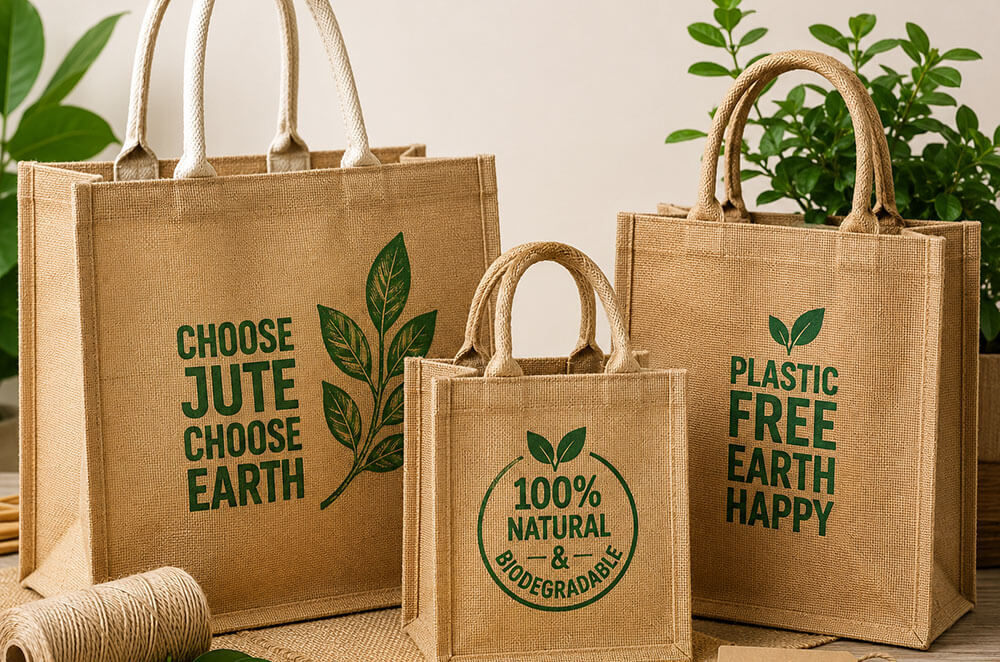
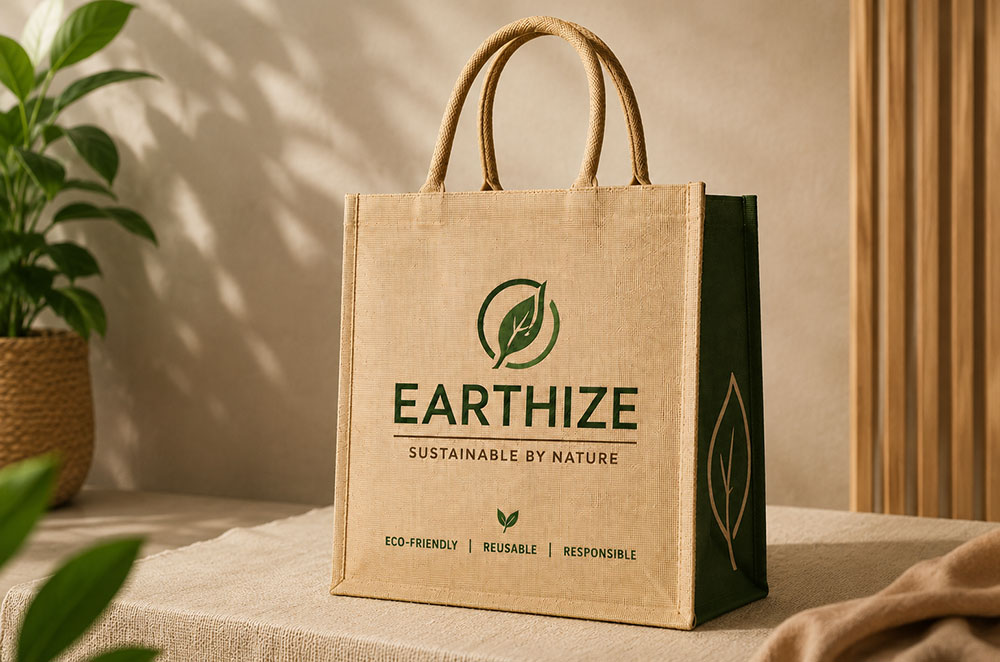
Jute shopping bags have become one of the most visible symbols of responsible consumption, and for good reason. At a time when the world is rethinking single-use materials and waste-heavy habits, jute offers a practical, natural, and credible alternative. Made from plant fibre, jute bags fit naturally into the growing preference for products that are reusable, biodegradable, and better aligned with the long-term needs of the environment. Their popularity is not simply about appearance or trend. It is rooted in the fact that jute helps answer a very real question facing businesses and consumers today: how can everyday products become more sustainable without losing function or value? One of the strongest reasons jute shopping bags are considered eco-friendly is that jute is a natural and renewable material. The fibre is obtained from the jute plant, which grows relatively quickly and is widely cultivated in South Asia, especially India and Bangladesh. Unlike petroleum-based materials used in plastic bags, jute comes from an agricultural source that can be grown again and again. This makes it a more responsible raw material for businesses and consumers seeking alternatives to synthetic packaging. As a natural fibre, jute also supports the wider shift towards materials that are closer to the earth and less dependent on fossil-fuel-based production systems. Sources commonly note that jute is biodegradable, reusable, and cultivated with comparatively low resource intensity, which is why it is widely presented as a sustainable packaging material. Another major advantage of jute shopping bags is that they are built for repeated use. This is a critical point in any sustainability discussion. A bag that is used once and discarded, even if it is technically recyclable, still contributes to a culture of waste. Jute bags are different because they are designed to be used many times. They are strong enough for daily shopping, grocery carrying, gifting, and general utility. Their durability gives them a practical edge over thin plastic bags, which often tear easily and are quickly thrown away. The more often a jute bag is reused, the greater its environmental value becomes, because one durable bag can reduce the need for many disposable ones over time. Biodegradability is another important reason jute is often preferred over plastic. When a jute bag reaches the end of its useful life, the fibre can break down naturally under the right conditions. Plastic, by contrast, can remain in the environment for a very long time, contributing to persistent waste and, in many cases, to microplastic pollution. This difference matters not just in theory but in real-world waste management. Products that can return more safely to nature after use represent a more balanced material choice, especially when they are paired with long-term reusability. Industry and sustainability sources frequently contrast jute’s natural decomposition with the long persistence of plastic waste, reinforcing why jute is seen as a lower-impact alternative. Jute shopping bags also support a wider change in consumer behaviour. Today’s customers are not only buying products; they are paying attention to packaging, presentation, and the values a brand appears to represent. A jute bag signals care, responsibility, and a conscious effort to move away from throwaway packaging. For retailers, exporters, and brand owners, this can create a stronger brand impression while also supporting environmental positioning. Jute has a tactile, natural appearance that many buyers associate with authenticity and sustainability. That makes it especially valuable in markets where customers are increasingly making decisions based on both function and values. There is also an agricultural story behind jute that strengthens its eco-friendly position. Jute cultivation has long been part of the rural economy in parts of India, and the crop is often regarded as one of the more sustainable natural fibres available. While all production has an environmental footprint, jute is often valued because it grows from a renewable source and supports livelihoods connected to natural fibre industries. For many businesses, choosing jute is not only about replacing plastic. It is also about participating in a supply chain that is linked to traditional fibre cultivation, skilled processing, and materials that feel more grounded in natural systems than synthetic alternatives. Sustainability references regularly describe jute as a fast-growing crop with low dependence on intensive inputs compared with many conventional materials. Ultimately, jute shopping bags are eco-friendly because they bring together multiple sustainability strengths in one simple product. They are made from a natural material, they can be reused many times, they are better suited to reducing reliance on disposable plastic, and they fit the growing expectation for greener everyday choices. For consumers, they offer a practical and more responsible bag for regular use. For businesses, they offer a packaging and branding solution that supports both functionality and environmental credibility. In a world moving steadily towards more conscious consumption, jute shopping bags are not just a substitute for plastic. They are a reflection of a better way of thinking about materials, utility, and the future of responsible trade.

Blog

How Corporates Can Use Jute Bags for Branding, Gifting, and Employee Engagement

Corporate branding today is no longer limited to logos, colours, and formal communication. Increasingly, it includes the way a company presents its values through practical choices. This is one reason jute bags have become an attractive option for businesses looking to strengthen their brand presence in a more thoughtful and sustainable way. A jute bag is not just packaging. It can function as a branded asset, an employee gift, an event giveaway, a conference utility bag, or part of a welcome kit that reflects both usefulness and responsibility. Because it is durable and reusable, it continues to carry the company’s identity long after the moment of gifting or distribution has passed. For many corporates, sustainability is now part of brand expectation rather than an optional message. Clients, employees, partners, and event attendees notice the choices a company makes. When a business uses jute bags instead of plastic or short-lived packaging, it sends a visible message about environmental awareness and responsible presentation. This can be especially important for companies that want their brand to appear modern, conscious, and aligned with changing customer values. Corporate gifting and packaging are no longer only about presentation. They are also about what the presentation says. Industry references on branded jute bags and corporate gifting frequently highlight their ability to combine practicality, custom branding, and sustainability in one item. One of the most effective uses of jute bags in the corporate environment is in employee welcome kits. When new team members join an organisation, the items they receive often shape an early impression of the company’s culture. A well-designed jute bag can serve as the outer carrier for joining materials such as notebooks, pens, ID accessories, information packs, and other useful items. It brings together functionality and presentation, while also making the welcome kit feel more intentional and lasting. Because employees can continue to use the bag beyond the onboarding stage, it becomes a daily-use reminder of the employer brand. Welcome-kit examples and corporate gift suppliers regularly position jute bags as a useful choice for onboarding, conferences, and internal programmes where sustainability matters. Jute bags are also highly effective at corporate events, trade shows, conferences, and promotional campaigns. In such settings, companies often need an item that can hold brochures, samples, product literature, or giveaways while still contributing to a polished and memorable brand presence. A customised jute bag does exactly that. It is practical during the event and remains useful afterwards, extending the life of the branding far beyond the venue. This long visibility makes jute a stronger branding medium than many disposable promotional items. Instead of being thrown away after the event, a well-made bag may be reused for shopping, travel, work materials, or daily errands, allowing the corporate brand to stay visible in a natural and non-intrusive way. Another important application is in client gifting and festive gifting. Businesses often look for ways to make their gift packaging feel more premium and thoughtful while avoiding wasteful materials. Jute bags offer a strong solution because they combine a natural look with practical value. They can be used to hold festive hampers, appreciation gifts, product assortments, or curated business presents. In this context, the jute bag is not an extra layer of packaging that is quickly discarded. It becomes part of the gift itself. That adds perceived value for the recipient and strengthens the impression that the company has chosen something useful, well-considered, and responsible. From a branding perspective, jute bags also offer excellent scope for customisation. They can carry company names, logos, campaign messages, event identities, or design elements that reflect the brand’s visual style. Yet what makes them especially effective is not only printability, but the fact that the branding sits on a product people genuinely use. A corporate logo on a disposable leaflet has a short life. A corporate logo on a useful jute bag has a much longer one. This makes jute bags valuable not just for visibility, but for recall, association, and positive brand sentiment. When the bag is attractive, sturdy, and purposefully designed, it can help a company be remembered in a more favourable way. For corporates, the value of jute lies in the way it brings together sustainability, functionality, and brand expression. It supports employee engagement through welcome kits and internal programmes. It enhances client gifting and festive presentation. It strengthens event visibility and offers a practical platform for long-term brand exposure. Most importantly, it helps a company communicate that its brand values are reflected not only in what it says, but also in what it chooses to give and how it chooses to present itself. In a business environment where every touchpoint contributes to perception, jute bags give corporates a simple but powerful way to build branding that is useful, responsible, and memorable.

Blog

How Jute Bags Are Made and Why They Are a Better Alternative to Plastic

Jute bags are valued not only because they are eco-friendly, but also because of the material journey behind them. Understanding how jute bags are made helps explain why they are widely seen as a stronger alternative to plastic bags. The process begins in the field, where jute plants are cultivated and harvested. After harvesting, the stalks are soaked in water in a traditional step known as retting, which helps loosen the fibres from the woody stem. The fibres are then separated, washed, dried, and prepared for further processing. From there, they move into spinning and weaving stages, where the natural fibre is transformed into fabric that can be cut, stitched, printed, and finished into usable bags. Manufacturing guides consistently describe this sequence of cultivation, retting, fibre extraction, spinning, weaving, and finishing as the basic route from raw jute plant to finished bag. This production process matters because it starts with a plant-based fibre rather than a synthetic one. Plastic bags are made from petroleum-based materials and are tied to an industrial system that relies on fossil fuel extraction, chemical processing, and large-scale plastic manufacturing. Jute bags, by contrast, begin with a crop that grows in nature and is then shaped by a series of mechanical and textile processes. That distinction does not make jute impact-free, but it does make it fundamentally different from plastic. It belongs to the category of materials that come from renewable biological sources rather than non-renewable fossil resources, and that difference shapes the conversation around sustainability in a significant way. Once the fibres are extracted and dried, they are softened and aligned so they can be spun into yarn. The yarn is woven into jute fabric, often known for its strength, texture, and natural look. Depending on the intended use, this fabric may then be dyed, laminated, printed, or otherwise finished before being cut into panels and stitched into bags. Handles, gussets, inner linings, and branding elements can be added according to the design. In this way, jute bags combine traditional fibre processing with modern manufacturing methods. The result is a product that feels natural in origin but can still meet commercial requirements for packaging, retail, gifting, and promotional use. The contrast with plastic becomes clearer when we think about the full life of a bag. Plastic bags are cheap and convenient, which is one reason they became so widespread. But their convenience has come with long-term environmental costs. They are usually designed for short use, yet they remain in the environment for a very long time after disposal. They can add to landfill burden, litter, marine pollution, and the wider problem of plastic fragmentation. Jute bags challenge this pattern by offering a bag that is intended for repeated use and made from a natural fibre. The value of jute is therefore not only in what it is made from, but also in how it encourages a more durable and less wasteful behaviour model. Sustainability comparisons commonly highlight that jute decomposes naturally while plastic persists for decades or longer, making jute a more responsible end-of-life option. Jute also offers a practical advantage in terms of strength. Because the fibre is sturdy, jute bags can carry shopping, gifts, grocery items, and promotional materials more reliably than many thin plastic bags. This makes them useful across retail, events, hospitality, exports, and daily consumer use. For businesses, that means a bag can serve both as packaging and as an extension of brand presence. For consumers, it means the bag has value beyond the point of purchase. The more durable a bag is, the more often it can be used, and the more it helps reduce dependence on single-use alternatives. In that sense, the manufacturing effort behind a jute bag supports a much longer life cycle than the disposable logic behind plastic bags. It is important to approach sustainability in a balanced way. No manufactured product is completely without impact, and responsible sourcing, efficient production, and sensible use all matter. However, when comparing jute with plastic, the advantages are clear. Jute begins as a renewable crop, supports reuse, aligns with the demand for biodegradable materials, and helps shift packaging choices away from fossil-fuel-dependent disposable goods. This is why so many brands, retailers, and exporters now see jute as more than a bag material. They see it as part of a broader transition towards better packaging and better habits. In the end, how jute bags are made tells an important story. It is a story of fibre grown from the land, processed through skill and craft, and shaped into a product that responds to one of the biggest material challenges of our time. Jute bags offer a different model from plastic: one based on natural origin, practical strength, longer use, and a more responsible end-of-life path. For businesses that want to reduce plastic dependence and for consumers who want a better everyday choice, jute bags represent a material solution that is both traditional and highly relevant to the future.

About Us

India is home to a rich ecosystem of natural materials, skilled manufacturing, and sustainable innovation.

Contact Info