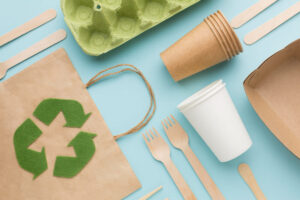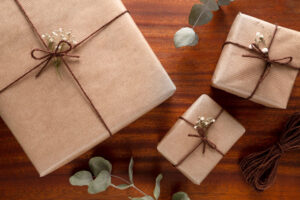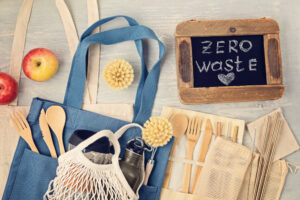

There is a common misconception that sustainable products must look plain or basic to be environmentally responsible. In reality, eco-friendly products can feel just as premium, polished, and professional as conventional alternatives. The difference lies in thoughtful material choice, good design, careful finishing, and a clear understanding of how function and presentation work together.
Materials such as jute, bamboo, cotton, cane, and other natural fibres offer visual warmth and character that many buyers now associate with authenticity and quality. When these materials are finished well and used in the right context, they can create products that look refined rather than rustic. This is especially important for retail packaging, corporate gifting, hospitality use, and export markets where appearance influences product perception.
Premium value is not only about luxury styling. It is also about consistency, usability, and the confidence a product creates in the buyer. Sustainable products often support this well because they combine purpose with practicality. A product that is attractive, durable, reusable, and aligned with modern environmental values can leave a stronger impression than something that looks expensive but feels wasteful or generic.
As businesses and consumers become more selective, the idea of premium is also changing. Many now value products that look good, serve a clear purpose, and reflect responsible thinking. Sustainable products meet this expectation when they are designed and produced with care. That is why eco-friendly choices no longer need to compromise on professional appeal. They can offer a modern kind of premium value that feels both credible and relevant in today’s market.