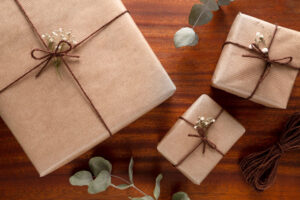

Everyday products may seem simple, but the materials they are made from can have a lasting impact. From bags and packaging to gifting items and household products, material choice influences durability, waste, usability, and how a product fits into daily life. As awareness grows, more people and businesses are beginning to understand that mindful material choices matter just as much as product design or price.
When products are made from natural fibres or renewable materials, they often support better long-term use. Materials such as jute, bamboo, cotton, and cane can offer strength, simplicity, and a more direct connection to sustainability. They also tend to create products that feel more intentional and less disposable, which matters in a world where short-life products have become too common.
Mindful choices also influence perception. A product made from a natural material often communicates care in a way that customers and users can see immediately. It can suggest that the maker or brand has thought beyond convenience and considered the wider impact of what they offer. This matters in retail, exports, gifting, and hospitality, where material choices shape both function and message.
In the end, mindful material selection is about more than environmental responsibility. It is also about making products that feel more useful, more honest, and more relevant to current expectations. When businesses choose materials thoughtfully, they improve both the product experience and the values associated with it. That is why material choice deserves more attention. It quietly shapes how products perform, how they are remembered, and how responsible they truly are in everyday use.