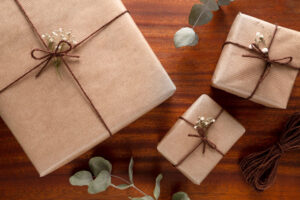

Modern buyers are increasingly drawn to products that feel authentic, useful, and less overprocessed. In many categories, materials and textures play an important role in shaping that perception. Natural fibres and plant-based materials such as jute, bamboo, cotton, and cane often appeal to buyers because they bring a visible sense of simplicity, warmth, and honesty to the product experience.
This appeal is partly visual and partly emotional, but it is also practical. Natural materials often suggest strength, reusability, and a closer connection to the environment. Buyers who want products that reflect conscious choices often respond well to items that look natural rather than highly synthetic or disposable. The texture itself becomes part of the value because it communicates material quality in an immediate way.
In retail, hospitality, gifting, and export markets, this material appeal can influence product selection. Businesses are increasingly aware that customers notice more than function. They also notice how a product feels, what it suggests, and whether it aligns with broader values of sustainability and thoughtful living. Natural textures support this alignment by making the product feel more grounded and credible.
As buyers become more selective, authenticity is becoming more important in product perception. Natural materials help businesses meet that expectation in a direct way. They offer visual distinctiveness, practical use, and a message of simplicity that many people appreciate in a crowded marketplace. That is why natural textures and materials continue to stand out. They make products feel more real, more useful, and more aligned with what modern buyers increasingly value.