
Many Indian festivals are deeply connected to nature, seasons, agriculture, rivers, animals, and the changing rhythm of the year. This connection reflects an older way of living in which human life was seen as part of the natural world rather than separate from it. Across regions, festivals were traditionally designed around gratitude, restraint, sharing, and respect for natural resources. Even today, this underlying spirit continues to influence how festivals are understood and celebrated in many homes and communities.
Harvest festivals such as Pongal, Baisakhi, Onam, Nabanna, and Bihu celebrate the land, crops, rain, and the effort of farming communities. Rituals often involve fresh produce, seasonal food, natural decorations, and community meals. Festivals like Chhath Puja show reverence for the sun and water, while many regional traditions honour trees, cattle, birds, and local ecosystems. These practices remind people that prosperity depends on a healthy environment and that nature deserves gratitude rather than exploitation.
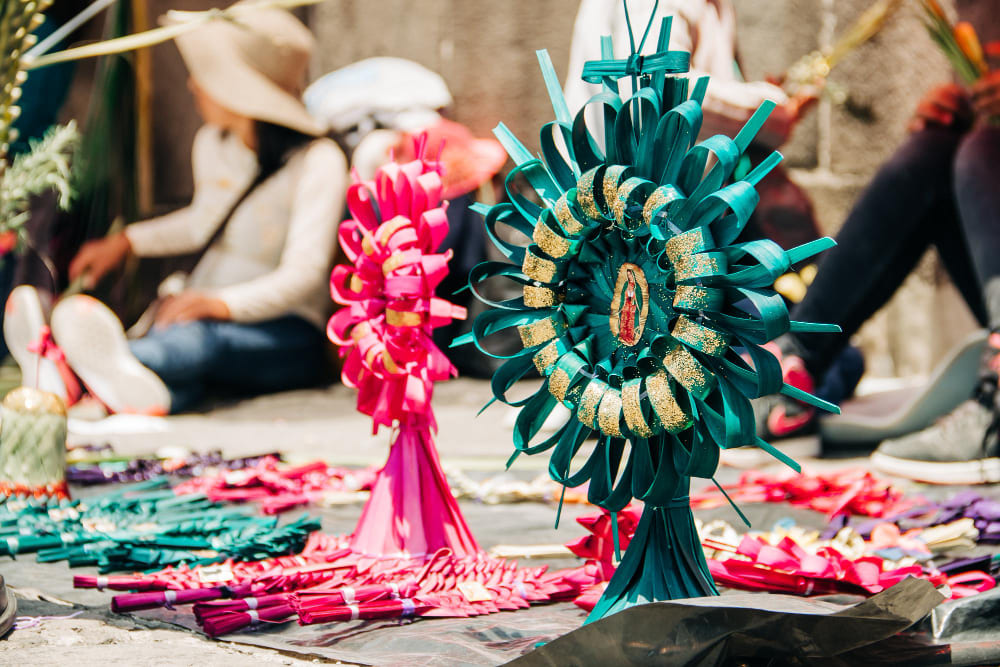
Traditionally, festival materials were simple and biodegradable. Clay lamps, leaf plates, flowers, cotton wicks, natural colours, earthen idols, and reusable metal utensils were common in many celebrations. These choices naturally limited waste and kept festivities closer to local resources. The idea was not called sustainability in modern language, but the practice clearly supported it by reducing excess and preserving balance.
In recent times, urban lifestyles and commercial practices have changed some festival habits. Yet the original values still offer useful lessons. Choosing natural decorations, low-waste gifting, reusable materials, and eco-friendly products during festivals can bring celebrations closer to their roots. This is one reason Indian festivals continue to inspire conversations around sustainability. They show that caring for the environment is not a new idea. It has always been woven into traditions that believe celebration should exist in harmony with the earth. These values remain relevant for businesses, communities, and families looking for more responsible ways to mark important occasions.